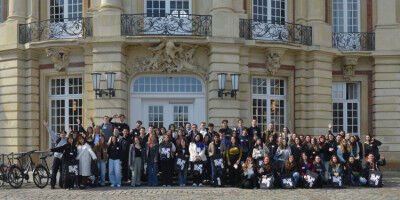
From 21 to 27 March 2026, Rector Eva Inés Obergfell travelled to Ghana as part of a delegation of German university leaders. The fact-finding visit focusing on higher education policy, organised by the German Academic Exchange Service (DAAD), provided insights into Ghana’s higher education and research landscape and highlighted the considerable potential for closer collaboration between German and Ghanaian universities.
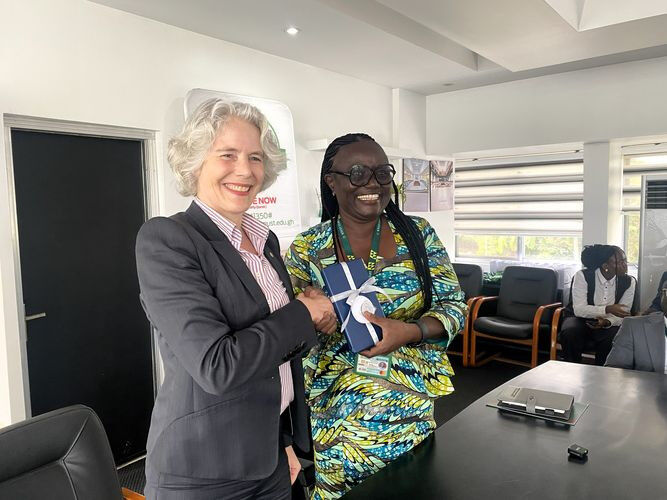
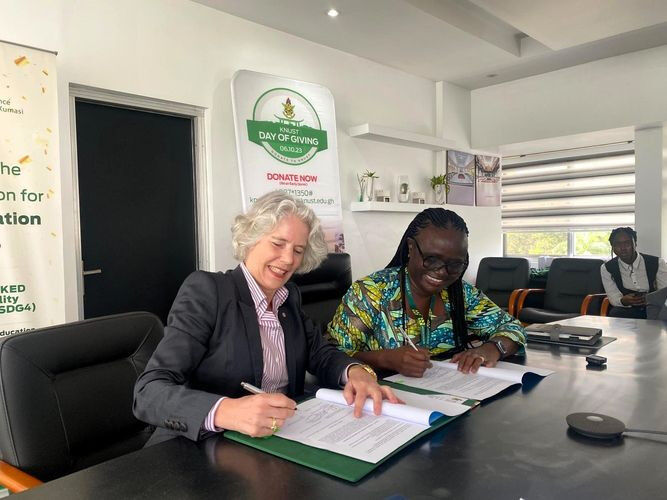
A key stop on the visit took the delegation to the Kwame Nkrumah University of Science and Technology (KNUST) in Kumasi. By signing a Memorandum of Understanding (MoU), Rector Obergfell set an important course for strengthening cooperation with KNUST.
"Our collaboration with partners in Ghana demonstrates how international university partnerships can combine academic excellence with societal impact," said Rector Obergfell. "The Memorandum of Understanding provides an important foundation for further developing our long-standing cooperation and opening up new perspectives for joint research and academic exchange."
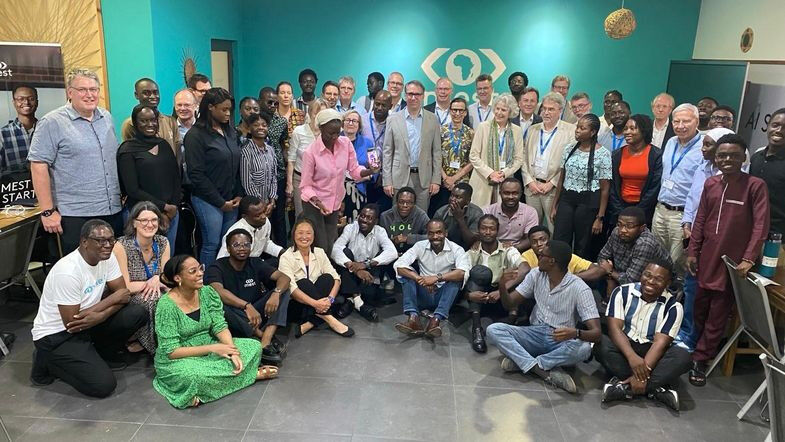
This cooperation between Leipzig University and KNUST builds on many years of collaboration: within the DAAD-funded ACCESS project (African Centre for Career Enhancement and Skills Support), joint initiatives are being implemented to enhance the employability of university graduates in Africa and to strengthen exchange between universities, industry and society. Together, the partner institutions are developing innovative teaching formats, promoting entrepreneurship, and strengthening structures for career development and knowledge transfer.
In recent years, this collaboration has also been extended to additional subject areas at Leipzig University, thereby significantly broadening its institutional base. In addition to Economics and Management Science - particularly through the SEPT Competence Center - African Studies and Sport Science are now also involved in joint teaching, research and knowledge transfer projects.
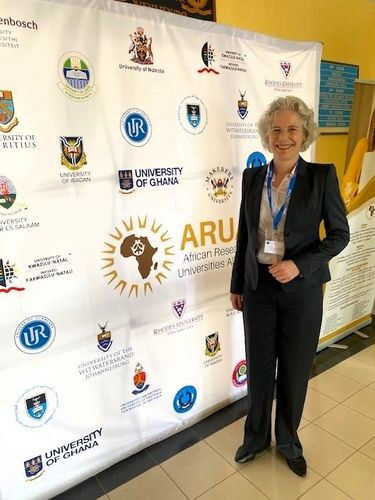
Alongside the visit to KNUST, the delegation’s programme featured a range of engagements with other Ghanaian universities and research institutions. These included meetings at the University of Ghana in Accra, discussions with the African Research Universities Alliance (ARUA), as well as visits to innovation and research centres and to Ashesi University. The discussions made clear that cooperation with academic institutions in Ghana offers considerable potential for joint research, academic collaboration and innovative training opportunities. Against the backdrop of global challenges and a growing demand for skilled professionals, such international partnerships are becoming increasingly important for research, education and innovation.