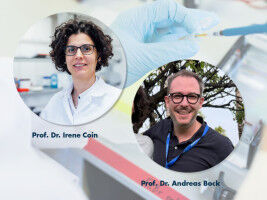
Blood diagnostics of biomarker for invasive fungal infection in sepsis patients does not lead to better outcome. Image: Inka Rodigast/UKJ
Blood diagnostics of biomarker for invasive fungal infection in sepsis patients does not lead to better outcome. Image: Inka Rodigast/UKJ Because modern medicine enables the treatment of seriously ill and severely immunocompromised patients, severe fungal infections are occurring with increasing frequency in intensive care units. Due to their weakened immune system and the often required broad spectrum antibiotic therapy, sepsis patients in the ICU are at particular risk for invasive infections by Candida, a yeast which is harmless to healthy people. The later antifungal treatment is started, the greater is the mortality from fungal sepsis, which can reach up to 80%. The classic microbiological detection of Candida by blood culture is successful only in half of all cases and takes several days which is an essential problem. Current guidelines therefore recommend early preventive treatment with antifungal drugs in critically ill patients with a high risk of severe Candida infections. "But this risk is difficult to assess - it is made up of well over 20 factors and in almost all'intensive care patients several of them are present," Dr Daniel Thomas-Rüddel says, an intensive care specialist at Jena University Hospital.
UM DIESEN ARTIKEL ZU LESEN, ERSTELLEN SIE IHR KONTO
Und verlängern Sie Ihre Lektüre, kostenlos und unverbindlich.