


Copernicus Sentinel-6B delivers first altimeter images and reaches final orbit


Earth sciences
Are All Coasts Tsunami-Safe?
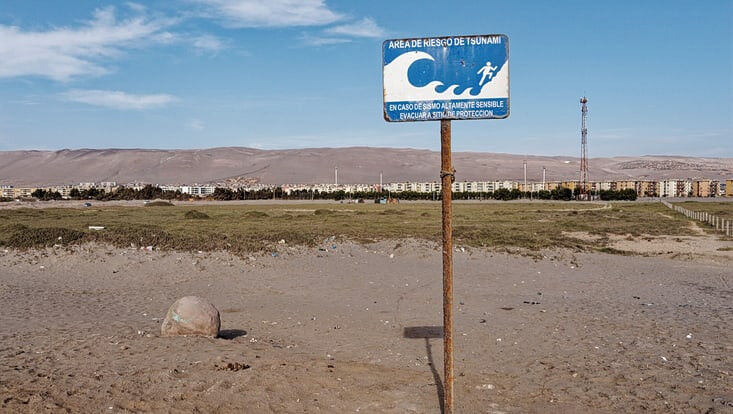
UNESCO aims to make all vulnerable coastlines worldwide "tsunami-ready" by 2030. This goal remains urgent, even 15 years after the tsunami in Japan that claimed over 18,000 lives on March 11, 2011, and led to a meltdown at the Fukushima nuclear power plant. Twelve criteria must be met to achieve this. But how do affected communities know how to connect to early warning systems or create an evacuation map? A team led Jörn Behrens from the Earth and Society Research Hub (ESRAH) at the University of Hamburg has now published the first comprehensive handbook on tsunami preparedness.
New discoveries cast doubt on old theory
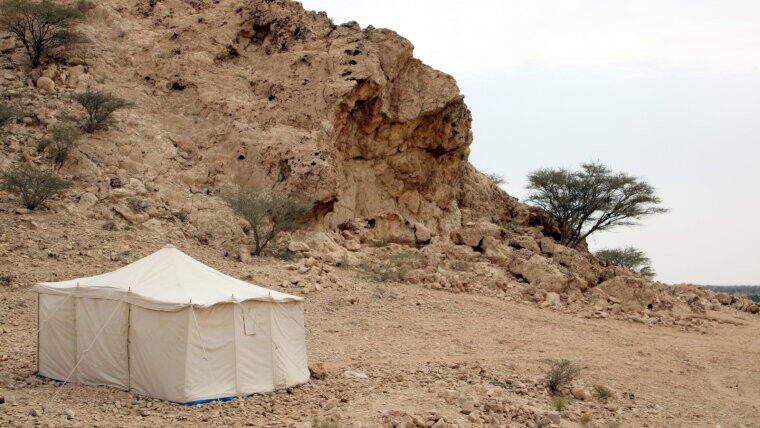
The expansion of modern humans out of Africa likely unfolded differently than previously thought: contrary to earlier assumptions, south-east Arabia was repeatedly inhabited by humans during the late Pleistocene.
Franconia’s agriculture of the future: olives and rice instead of barley and sugar beet?
A new study by the University of Würzburg shows that undamped climate change will radically change German agriculture by 2100 and could bring Mediterranean crops to Franconia.
Antarctic ice melt slowed global ocean circulation
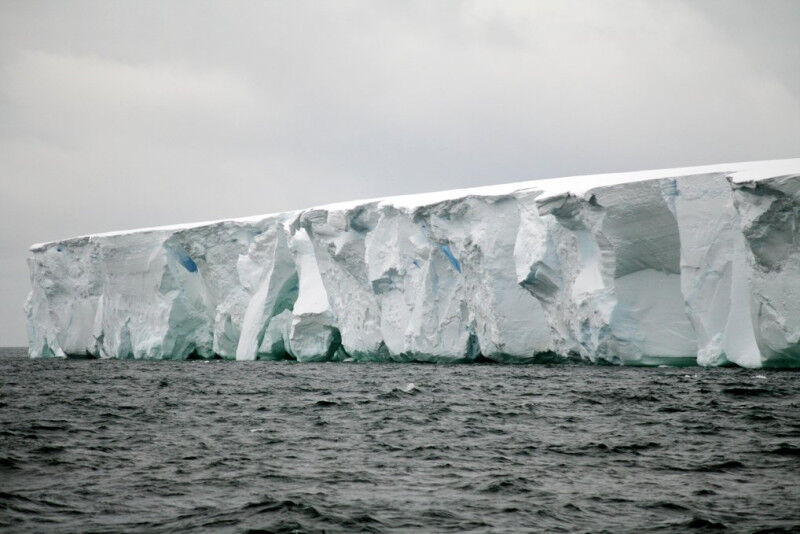
A look into Earth's history shows that the ice-sheet melt temporarily intensified Southern Ocean stratification.
New measurement campaign investigates clouds over Arctic sea ice
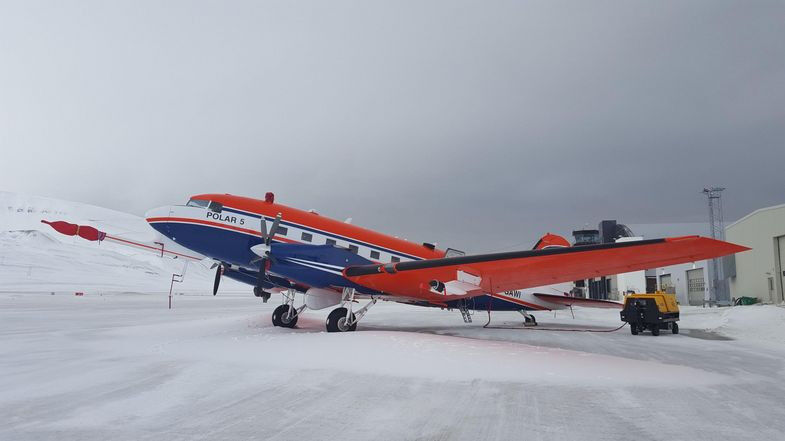
The international research campaign COMPEX (Clouds over complex environment) is kicking off with measurement flights over the Arctic and will investigate the properties of clouds over sea ice that cannot be detected by satellites.
How oxygen enriched the Earth’s atmosphere 2.5 billion years ago
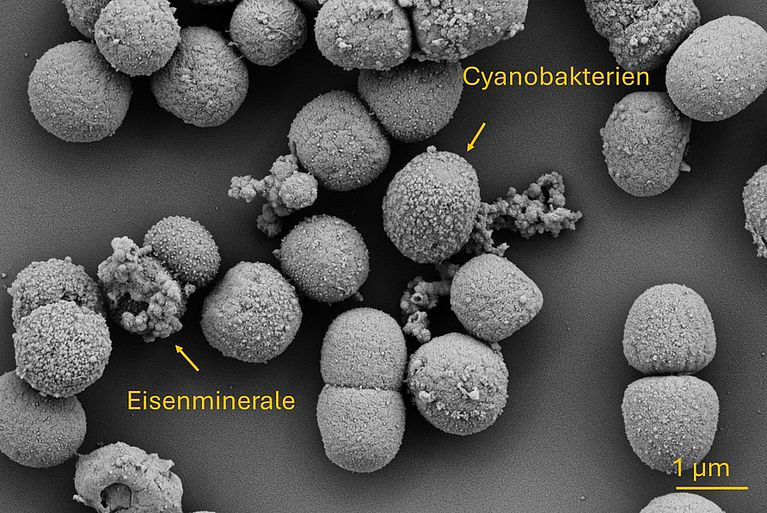
Cyanobacteria as they still exist today were the first organisms to carry out photosynthesis and release oxygen.
Surprisingly in sync: Sunlight and sediments
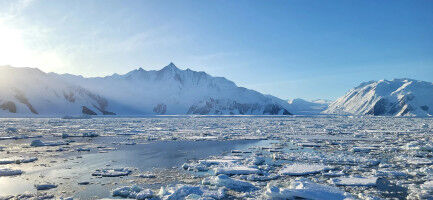
New Antarctica study involving Uni Bonn shows the influence of solar cycles on the stability of coastal ice.
Selected Jobs
PhD or Postdoc position in vegetation modelling with Machine Learning Technische Universität München
Wissenschaftliche Mitarbeit (Promotionsstelle) im Bereich: digitale Landschaftsökologie, globaler Wandel und urbanes Pollenmonitoring Gottfried Wilhelm Leibniz Universität Hannover
Akademische/-r Mitarbeiter/-in (w/m/d) in der Mathematisch-Naturwissenschaftlichen Fakultät / Institut für Geowissenschaften, Professur für Allgemeine... Universität Potsdam
Wissenschaftliche Mitarbeit (Doktoranden- oder PostDoc-Stelle; m/w/d) im Bereich automatischer Geodatenverarbeitung Gottfried Wilhelm Leibniz Universität Hannover
Wiss. Mitarbeiter*in (Postdoc) (m/w/d) Vollzeitbeschäftigung befristet auf 6 Jahre (vorbehaltlich der Mittelbewilligung) Entgeltgruppe 13 TV-L FU Kenn... Freie Universität Berlin
Wiss. Mitarbeiter*in (Praedoc) (m/w/d) mit 75%-Teilzeitbeschäftigung befristet bis 31.03.2029 Entgeltgruppe 13 TV-L FU Kennung: 2026 Freie Universität Berlin
Wiss. Mitarbeiter*in (Postdoc) (m/w/d) Vollzeitbeschäftigung befristet auf 6 Jahre (vorbehaltlich der Mittelbewilligung) Entgeltgruppe 13 TV-L FU Kenn... Freie Universität Berlin


Copernicus Sentinel-6B delivers first altimeter images and reaches final orbit