Researchers investigate the effect of shade trees in cocoa plantations in Ghana
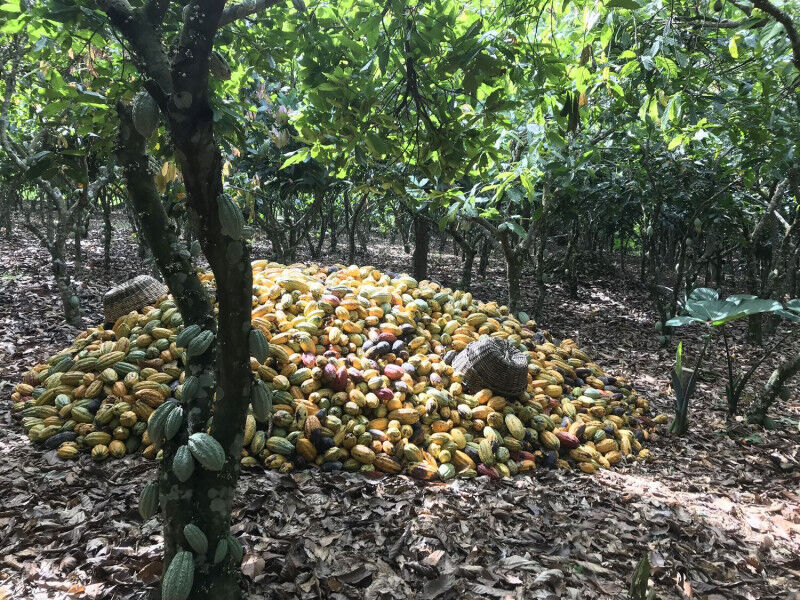
In sub-Saharan Africa, people are particularly dependent on rain. Climate change is increasingly threatening their agriculture. Agroforestry is one possible way of adapting to cocoa cultivation: trees growing between the cocoa plants on the plantations provide shade. This can save yields in drier times, as a study by researchers from the University of Göttingen and the European Commission’s Joint Research Center shows. Farmers in Ghana who grow cocoa using agroforestry are better able to survive periods with less rain. However, this only applies to areas with a wetter climate. Where water is already scarce, the researchers found no significant advantages to this cultivation method. The results were published in the journal Agricultural Systems
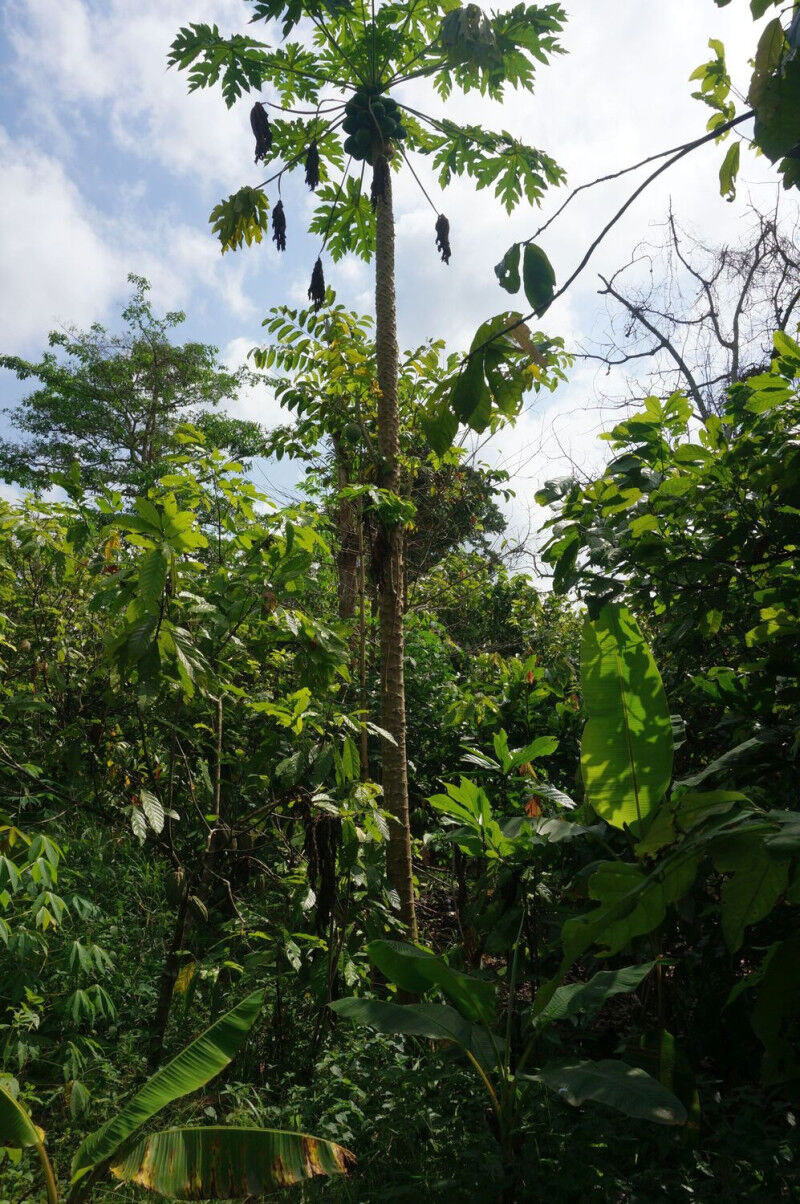
"Our results suggest that the positive effects of agroforestry depend on the local climate," says first author Marlene Wätzold from the University of Göttingen. in drier regions, shade trees may compete with cocoa plants for soil moisture. This could counteract the protection against drying out." There is also competition with fruit trees, explains Wätzold: "Avocado trees, which are increasingly planted in dry regions, have shallow roots and a high water requirement. This increases competition for water."
Agroforestry can play an important role in adapting to climate change, the research team emphasizes. However, its promotion should be tailored to the local climate. "Our results underline the need for further research into adaptation strategies in agroforestry. It is also important to understand which tree species are suitable under which climatic conditions," says Meike Wollni from the University of Göttingen. in some areas, the conditions for growing cocoa are becoming increasingly unfavorable. In future, people there should focus more on crops that tolerate drought better, such as cashew nuts," concludes Dr. Katharina Krumbiegel from the Joint Research Centre
The study was funded by the German Research Foundation (DFG) as part of the Research Training Group "Sustainable Food Systems"
Original publication: Marlene Yu Lilin Wätzold; Katharina Krumbiegel; Pascal Tillie; Meike Wollni. Agroforestry as a climate change adaptation strategy: Evidence from Ghana’s cocoa sector. Agricultural Systems (2026). DOI: 10.1016/j.agsy.2025.104519