Vahid Nozari uses a microscope to examine the new synthetic glass made of a MOF material. Image: Jens Meyer (University of Jena)
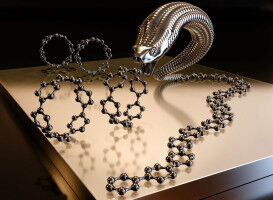
Vahid Nozari uses a microscope to examine the new synthetic glass made of a MOF material. Image: Jens Meyer (University of Jena) - Chemists at the University of Jena developed a way of melting normally unmeltable metal-organic framework compounds - so-called MOFs. This allows the melt-based production of glass components for applications in energy and environmental technology. Glasses are an indispensable part of everyday life. One of the most important reasons for this is that glass objects can be manufactured almost universally and inexpensively in a wide variety of shapes and sizes using their corresponding melts. Processing in the (viscous) liquid phase offers a versatility that can hardly be achieved with other materials. However, this presupposes that the material from which the glass is made in terms of its chemical composition can be melted at all.
TO READ THIS ARTICLE, CREATE YOUR ACCOUNT
And extend your reading, free of charge and with no commitment.