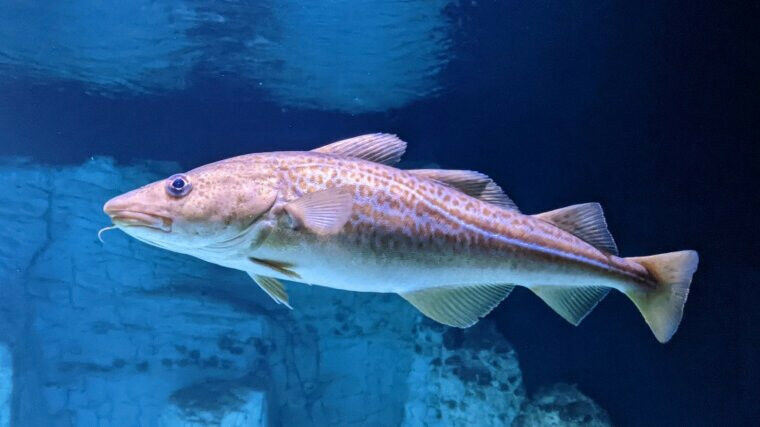
Models suggest that the Atlantic Cod may have a high risk of extinction as water temperatures increase. Image: Wilhelm Thomas Fiege, CC BY-SA via Wikimedia Commons
Models suggest that the Atlantic Cod may have a high risk of extinction as water temperatures increase. Image: Wilhelm Thomas Fiege, CC BY-SA via Wikimedia Commons - Fish are changing how they search for and consume prey in warmer waters, with models suggesting extinctions become more likely due to this behaviour change, according to a new study published in "Nature Climate Change" . Led by researchers at the German Centre for Integrative Biodiversity Research (iDiv) and the Friedrich Schiller University Jena, the researchers found that fish in the Baltic Sea respond to temperature increases by consuming the first prey they encounter. This change in foraging behaviour led to the fish selecting prey that tends to be more abundant and smaller. Small prey present in their environment at all temperatures included brittle stars, small crustaceans, worms, and molluscs. Fish, like many other consumer species, need more food when temperatures increase because their metabolism also increases. Although more abundant prey provides an immediate energy source, this so-called flexible foraging behaviour means fish are missing out on opportunities to satisfy their long-term energy needs by consuming larger prey that provide more calories.
TO READ THIS ARTICLE, CREATE YOUR ACCOUNT
And extend your reading, free of charge and with no commitment.