











news
Hannover Medical School (MHH)
Results 21 - 40 of 43.
Health - Life Sciences - 26.10.2022
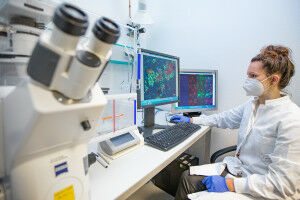
MHH research team finds two promising AAV capsid variants for gene therapy in the liver There are numerous severe, hardly treatable monogenetic diseases that are caused by a defect in a single gene - also in the liver. These include the blood coagulation disorders haemophilia A or B or the metabolic disease phenylketonuria.
Health - Life Sciences - 21.10.2022

Research team uses CRISPR/Cas technology to repair C282Y mutation in primary haemochromatosis Hereditary primary haemochromatosis is one of the most common inborn errors of metabolism in Europe. In this disorder, also known as iron storage disease, the body is overloaded with iron. The excess iron accumulates in organs and tissues and leads to slowly progressive damage to the liver, heart, pancreas, pituitary gland and joints.
Health - 19.10.2022

MHH research team has published current review on hepatocellular carcinoma (HCC) in The Lancet Hepatocellular carcinoma (HCC) is one of the most common cancers worldwide. In Germany, there are currently around 9,000 new HCC diagnoses per year, and almost 8,000 people affected do not survive the disease.
Health - Life Sciences - 22.09.2022

Study shows effect on amygdala in temporal lobe The bacterial toxin botulinum toxin (BTX) - colloquially known as Botox - is probably known to most people as a remedy for wrinkles. But botulinum toxin can do even more: if it is injected into the forehead, for example, it can alleviate depression.
Health - 14.09.2022
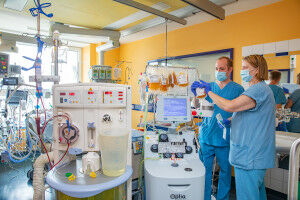
Large study aims to clarify whether therapeutic plasma exchange increases the survival rate of those affected Sepsis is the most common cause of death in infections. In Germany alone, around 75,000 people die from it every year. The most severe form of sepsis leads to circulatory failure, which experts refer to as septic shock.
Health - Social Sciences - 24.08.2022

Genetic testing not recommended in healthy children Pathogenic variants in BRCA1/2 genes are associated with an increased risk of breast and ovarian cancer in adults and variants in mismatch repair (MMR) genes increase the risk of gastrointestinal and other cancers. Until now, the role of such variants in children and adolescents with cancer was unclear.
Health - Life Sciences - 19.08.2022

Study from the German Cancer Predisposition Registry: The type of TP53 variant matters Li-Fraumeni syndrome (LFS) is a cancer predisposition syndrome that is caused by pathogenic TP53 variants and is associated with a massively increased cancer risk. It represents one of the most important genetic causes of cancer in children and adults.
Health - Life Sciences - 01.07.2022
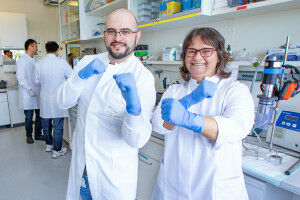
Researchers from the MHH and RESIST show how a cell protein of the innate immune response prevents the multiplication of herpes viruses Most body cells can defend themselves against viruses after they have been activated by the body's own messenger substances (interferons). This happens with the help of proteins that recognise invading virus components and interfere with virus replication.
Health - 29.06.2022

Analysis of registry data leads MHH researchers to new insights into certain forms of the disease About one percent of the world's adult population suffers from pulmonary hypertension (PH). There are many forms of this disease. One of them is idiopathic pulmonary arterial hypertension (IPAH). This is a rare but very severe form of pulmonary hypertension.
Health - Life Sciences - 10.06.2022

Hannover Medical School doctors successfully treat three-year-old girl. Clinical researchers at Hannover Medical School (MHH) have succeeded for the first time worldwide in stopping the usually fatal course of the disease in severe pulmonary hypertension thanks to a novel therapeutic approach. A three-year-old girl suffering from so-called pulmonary arterial hypertension (PAH) was treated for six months a total of five times with mesenchymal stem cell products obtained from a human umbilical cord.
Health - Pharmacology - 31.05.2022
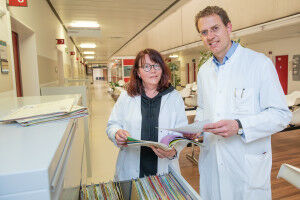
MHH involved in international study on acute myeloid leukaemia (AML) Acute myeloid leukaemia (AML) is a malignant disease in which the precursor cells of the haematopoietic system multiply uncontrollably. This form of blood cancer is caused by genetic changes in the bone marrow that occur in the course of life.
Health - Pharmacology - 26.04.2022
Liver fibrosis: the fatal signalling pathway
MHH research team clarifies how liver inflammation and scarring of liver tissue are connected At least five million people in Germany suffer from liver disease. Fibrosis, the pathological proliferation of connective tissue, plays an important role in many complications of chronic liver problems. Activated hepatic stellate cells (HSCs) are massively involved in this tissue remodelling.
Health - Life Sciences - 25.04.2022
Rapid diagnosis instead of a long odyssey
MHH Human Genetics: Whole-genome sequencing to bring the cause of rare diseases in critically ill children to light at an early stage About four million people in Germany suffer from one of the many different rare diseases (SE) - especially seriously ill children who require intensive medical treatment.
Health - Pharmacology - 05.04.2022
Researcher wants to stop harmful effect of chemotherapy on heart muscle
EU funds research project to elucidate pathological cardiac remodelling caused by cancer drugs with around 2.5 million euros 04. Heart failure is one of the most common causes of death worldwide. The disease, known in medicine as cardiac insufficiency, affects about four million people in Germany.
Health - 08.02.2022
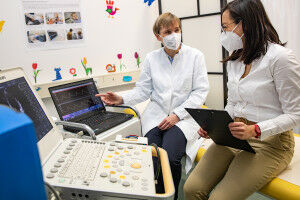
MHH study: Vessels of girls suffer more damage than those of boys Gender plays a role: chronic kidney disease has a greater effect on the vessels of girls than on those of boys. Researchers at the Hannover Medical School (MHH) have now been able to show this in a European study. Although the mortality rate in children after kidney transplantation has fallen in recent decades, it is still very high compared to the general population due to early cardiovascular complications.
Health - Life Sciences - 05.11.2021
Team including MHH and RESIST researchers has found starting point for therapy of diseases caused by herpes viruses A research team from the University of Lübeck, Hannover Medical School (MHH), CSSB Hamburg and the RESIST Cluster of Excellence has found a possible new starting point for the therapy of diseases triggered by herpes viruses.
Health - Life Sciences - 19.10.2021

MHH study develops reference tool for blood tests Lymphocytes belong to the white blood cells. They consist of several subgroups with different tasks in immune defence. Which and how many lymphocytes are in the blood provides information about our current state of health as well as congenital or acquired immune deficiencies.
Health - Pharmacology - 14.10.2021

MHH research team demonstrates how inflammatory cells improve the function of diseased heart muscle cells Heart failure or cardiac insufficiency is one of the most common causes of death in Germany and is caused by heart attacks, high blood pressure or heart valve defects. The heart is then no longer able to pump a sufficient amount of blood through the body and supply organs, muscles or other tissues with enough oxygen and nutrients.
Health - Life Sciences - 13.10.2021

Polyreactive antibodies as markers for autoimmune hepatitis Autoimmune hepatitis (AIH) is a chronic liver inflammation that is triggered by an immunological malfunction. In this case, the immune system falsely recognises the patient's own liver cells as "foreign to the body". The symptoms of this rare liver disease are unspecific, and the exact cause is not yet known.
Health - Life Sciences - 07.07.2021

For the first time, a team of scientists clearly demonstrates the existence of lipofibroblasts in human luectron microscope In medical research, animal models are used to clarify the development of diseases and to develop suitable therapies. In order to be able to transfer the results to humans, however, it must be ensured that the cell types and molecular signalling pathways studied in detail actually occur in our bodies.


